
Shokall Property
Home & Property
3 min read

Autumn Is Coming: The Property Jobs Worth Doing Before London Gets Cold

Get your property ready for the colder months with practical seasonal checks, from heating and ventilation to gutters, drainage and winter maintenance. A little preparation now can help prevent bigger problems when London’s colder, wetter weather arrives. ([thepropertycentres.co.uk][1])

Autumn Is Coming: The Property Jobs Worth Doing Before London Gets Cold featured image

September is a strange month for property maintenance.

The windows are still open.

The heating hasn't been touched for months.

Nobody is particularly worried about winter.

Which makes it an excellent time to start thinking about it.

Waiting until the first properly cold week to discover something doesn't work is rarely fun—for the tenant, landlord or contractor.

Here's what we'd be looking at now.

Turn the heating on before you need it

Don't wait for November.

Test the system.

Check that radiators heat properly and controls work. If a problem appears now, there's time to deal with it before the property actually depends on the heating.

Where gas appliances are provided, landlords must ensure they are safely installed and maintained, and required annual gas-safety checks must be completed by a Gas Safe registered engineer.

Check when yours is due rather than waiting for the certificate to become an emergency.

Look up

Gutters have an annoying habit of being invisible until something goes wrong.

Leaves, moss and debris can obstruct drainage, particularly through autumn.

Water then finds somewhere else to go.

Checking gutters, downpipes and obvious drainage issues before periods of heavier rain can prevent much more unpleasant problems later.

Check windows and doors

Cold draughts aren't only uncomfortable.

They can make a home harder and more expensive to heat.

Look at seals, frames and obvious gaps.

That doesn't automatically mean replacing windows.

Sometimes maintenance is the answer.

Think about condensation before the complaints begin

Cold surfaces, moisture and insufficient ventilation can create the conditions for condensation and mould.

Bathrooms and kitchens deserve particular attention.

Are extractor fans working?

Are vents blocked?

Can windows open?

Is there an underlying leak or building defect?

It's important not to automatically blame occupants for damp or mould. Property condition, heating, insulation and ventilation can all be relevant and need proper investigation.

Landlords have a broader obligation to keep rented properties safe and free from health hazards.

Test alarms

Smoke and carbon monoxide alarms aren't decorative ceiling accessories.

Government guidance requires landlords to comply with applicable smoke and carbon-monoxide alarm requirements, alongside wider fire-safety responsibilities.

Make alarm checks part of the routine rather than something remembered only during a tenancy changeover.

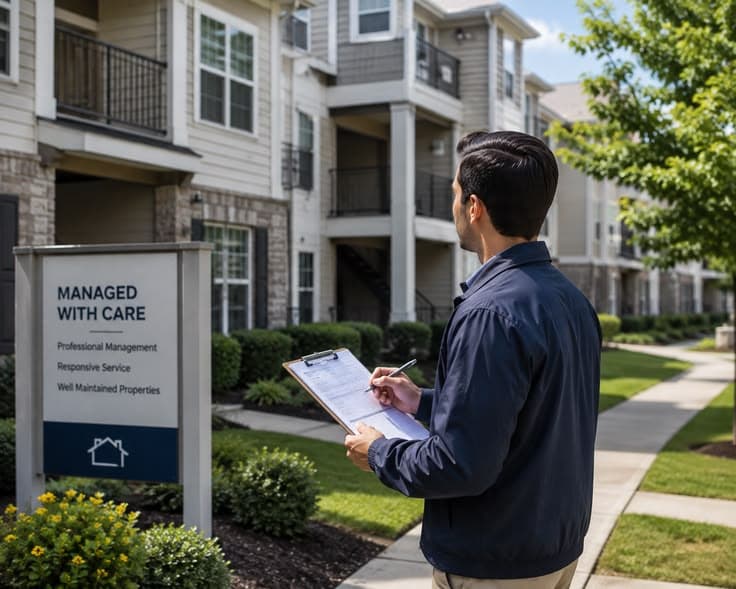
Walk around outside

A five-minute exterior check can reveal a surprising amount.

Loose fencing.

Blocked drains.

Vegetation against the building.

Damaged external lights.

Cracked paving.

Signs of water ingress.

The point isn't to create unnecessary work.

It's to catch small problems while they're still small.

Finally, tell tenants how to report something

You can maintain a property perfectly in September and still have something fail in December.

Make sure tenants know exactly how to report repairs.

One clear maintenance email or reporting system is much better than a problem being mentioned casually in a group chat and disappearing between twenty other messages.

A winter-ready property isn't one where nothing ever goes wrong.

It's one where someone has thought about what happens when it does.

DISCLAIMER- THIS PHOTO HAS BEEN TAKEN FROM PINTEREST ( HAUSHELPERS PROPERTIES, LLC)